Natural Pest Control Tips for Windsor Homes
What Makes Windsor Homes Need a Eco-Friendly Pest Management Approach
If you are seeking pest control Windsor homeowners can rely on, a eco-friendly approach is often the best place to start. In Windsor, Ontario, pest activity is shaped by the local climate, the city’s humidity, and the way homes are built across the region. Windsor’s summers can be especially damp, and that moisture often drives pest pressure in basements, kitchens, crawl spaces, and exterior walls. The result is a stronger chance of recurring problems unless you put emphasis on prevention as much as removal.

Natural pest removal works well because it emphasizes non-toxic pest control, sanitation, and exclusion instead of relying only on sprays. That matters in family homes, rental units, and residential properties where children and pets are present. It also fits the reality of Windsor, ON and nearby Essex County, where older houses, duplexes, basement apartments, and mixed-use properties often have small gaps, aging foundation lines, and moisture issues that pests exploit.
Eco-conscious pest management is also a smart response to seasonal pests. Windsor residents often deal with recurring ants in spring, wasps in summer, rodents in fall, and cluster flies or other overwintering pests as temperatures shift. A practical strategy built around integrated pest management can help you prevent infestation before it starts, while keeping your home approach eco-friendly pest control focused, sustainable, and safer for the household.
Common Pests Found in Windsor and Essex County
Windsor along with Essex County face an array of urban and suburban pest pressures. Outdoor spaces, gardens, alleyways, sheds, garages, and trash storage areas all offer opportunities for pests to move closer to homes. The most common calls for pest control Windsor services often involve ants, spiders, mice, and wasps, but several other pests are also common in the region.
Ants are a major issue in spring and summer. Some species are basic nuisance invaders, while carpenter ants can harm damp or softened wood. In homes with basement humidity or hidden leaks, carpenter ants can become especially hard to eliminate because they are often linked to moisture, not just crumbs.
Spiders commonly show up in corners, basements, and storage areas. While many are harmless, they are often a sign that smaller insects are present, which means food sources and harborage points may exist. That is why spider control is not just about removing spiders; it is also about reducing the conditions that attract them.
Mice are another major concern, especially in the fall and winter. They squeeze through surprisingly small gaps, and once inside, they can contaminate food, damage insulation, and create sanitation concerns. Effective mice control depends on rodent exclusion, cleanup, and monitoring as much as trapping.
Wasps are common in warm months, especially where outdoor nesting opportunities exist around eaves, sheds, decks, and porch areas. Safe wasp removal is important because nests near doors, play areas, or patio spaces can quickly become a problem for families and guests. In addition to these, local homes may also see bed bugs in apartments or multi-unit buildings, and cluster flies in late fall or early winter as they seek warm wall voids and attic spaces.
Non-chemical Pest Control Methods That Work
Smart natural pest removal commences with spotting the pest, then applying the proper method at the best time. The most reliable techniques are often easy, less toxic, and based on prevention. They can help with ant control, spider control, and certain rodent issues while supporting safe pest solutions for homes with children and pets.
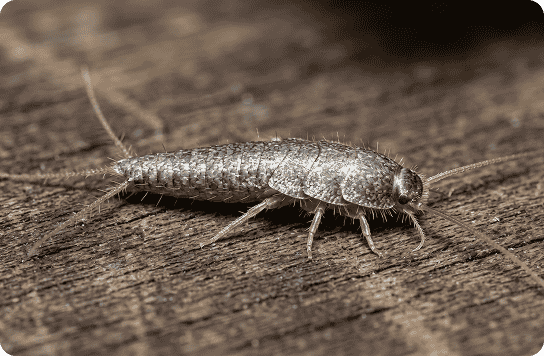
Diatomaceous earth is a useful option for some crawling insects when used properly in dry, protected areas. It can help with insects moving along baseboards, cracks, or utility penetrations, but it should be used carefully and only where it will remain dry. It is not a fix for every pest problem, and it works best as part of a broader exclusion and sanitation plan.
Peppermint oil is commonly used as a repellent for certain pests, especially mice and some insects. While it will not solve a serious infestation, it may help discourage activity in targeted areas when combined with cleaning and sealing. For households seeking non-chemical options, peppermint oil can be one part of a layered prevention strategy.
One of the key steps is to seal entry points. This includes caulking cracks, repairing screens, sealing gaps around pipes, and closing openings along siding, foundations, and door thresholds. In pest management, entry point sealing is often the difference between a recurring issue and a long-term solution. If you want to seal cracks effectively, inspect both the interior and exterior of the home, especially around the basement, kitchen, attic, and utility lines.
Trap and remove methods can be useful for mice and some larger insects. For rodents, snap traps or enclosed traps placed strategically along travel routes may be useful when combined with rodent exclusion. For wasps, targeted removal is usually safer when a nest is in a difficult or high-risk location, particularly if it is active near family gathering areas. For best results, think in terms of targeted treatment rather than broad, repeated spraying.
Such approaches align well with integrated pest management, which focuses on checks, tracking, proactive control, and only then intervention. That approach is highly important in Windsor because local conditions can vary fast from one season to the next.
Eco-Friendly Preventive Measures for Homes and Outdoor Spaces
Ongoing eco-friendly pest control relies on limiting the things that attract pests in the initial stages. This means rendering your home less inviting, your yard less welcoming, and your storage habits less accessible to insects and rodents.
Waste storage is one of the main issues in Windsor and Essex County neighborhoods. If bins are left open, overflow, or sit close to doors and windows, they can attract ants, rodents, and wasps. Keep lids tight, clean the outside of bins regularly, and place garbage far from foundation walls when possible. Good trash management also helps reduce odors and lingering food residues that pests can pick up on quickly.
Humidity control is equally important. Pests are drawn to moist areas, and Windsor’s humid summers can make basements particularly vulnerable. Reducing leaks, improving ventilation, using dehumidifiers, and fixing drainage issues can make a significant difference. Dampness reduction is especially important in basement suites and older homes where water intrusion or condensation may go unnoticed for extended periods.
Food containment is another essential habit. Store dry goods in sealed containers, wipe counters after meals, and do not leave pet food out overnight if pests are active. This kind of pantry storage discipline helps eliminate attractants that support ants, mice, and even some pantry pests. In a busy household, sanitation matters just as much as traps or repellents.
Yard maintenance can either help or hurt your pest prevention efforts. Trim shrubs away from the house, keep mulch from touching siding where possible, and remove leaf piles, wood debris, and dense ground cover near the foundation. This reduces outside nesting opportunities and limits the pathways pests use to reach the home. In yards across Windsor and Essex County, especially where suburban gardens meet older property lines, thoughtful landscaping can lower the pressure from ants, wasps, and rodents.
These habits are sustainable, family-friendly, and ideal for anyone trying to prevent infestation without turning to heavy chemical treatments.
When to Call a Professional Pest Control Windsor Service
Natural methods are effective, but they are not always enough. If you are dealing with a widespread infestation, it is time to reach out to a qualified pest control Windsor service. The same is true if you notice continued activity despite closing, sanitizing, and monitoring. A qualified technician can inspect the property, identify the source, and recommend a plan that goes beyond basic treatment.
Specialists are especially important when pests create structural damage. Carpenter ants can compromise damp wood, mice can bite through wiring and insulation, and wasps can build nests in hard-to-reach spaces that make removal risky. If you see signs of gnawing, wood damage, or nesting inside walls or rooflines, delay can make the problem more expensive.
There are also health risks to consider. Rodents can contaminate food and surfaces, wasps can trigger severe reactions, and bed bugs can create sleep disruption and stress in multi-unit housing. A professional can apply integrated pest management principles with more accurate inspection and targeted treatment, which is often more effective than repeated DIY attempts.
Good professionals also use monitoring to confirm whether the issue is ongoing, seasonal, or tied to a specific building vulnerability. That matters in Windsor, where humidity, older construction, and the region’s climate can create repeated pest pressure year after year.
Seasonal Pest Control Trends in Windsor
Windsor’s pest issues shift during the year, and understanding the cycle helps you act earlier. The city’s proximity to the Detroit River and the Great Lakes can impact moisture levels, temperature swings, and pest movement, which influences homes across the region.
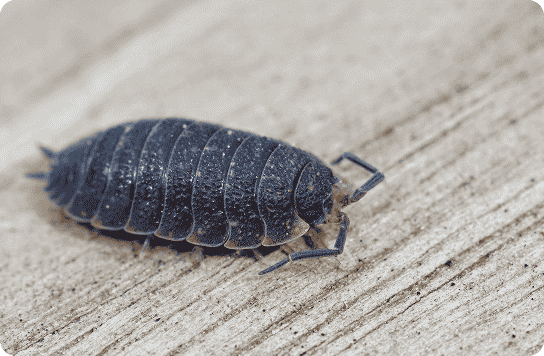
Spring pests often include ants, spiders, and early wasp activity. As the weather warms, insects become more active and seek food, water, and nesting sites. This is a good time for a checkup, entry point sealing, and yard cleanup before activity peaks.
Summer pests are usually tied to humidity and outdoor life. Windsor’s humid summer conditions can increase pest activity in homes and basements, especially where condensation, leaks, or poor ventilation are present. This is also when wasps, ants, and spider activity becomes more visible around patios, decks, and eaves.
Fall rodents are a major concern as temperatures drop. Mice and other small rodents begin searching for warm shelter, making garages, basements, and attic spaces common entry targets. This is the season to focus on rodent exclusion, checking for gaps near doors, pipes, and foundation cracks, and reinforcing doors and vent covers.
Winter entry gaps become especially important once cold weather sets in. Pests do not disappear; they simply move into protected spaces. Cluster flies may gather in upper walls or attics, and rodents can remain active indoors. Winter is the best time to correct gaps, improve insulation around penetrations, and strengthen your monitoring routine before the next cycle starts.
Neighbourhood-Friendly Tips for Apartments, Basements, and Older Homes
Different Windsor homes need varied tactics. Older homes often have deteriorating foundations, movement-related cracks, original trim, and utility openings that make entry sealing especially important. Even a minor gap can allow ants, mice, or spiders to enter. In these homes, a mix of inspection, sealing, sanitation, and moisture control usually performs better than one-off treatment.
Basements require extra attention because they are often the primary place pests settle. The mix of cool temperatures, stored items, and basement humidity can create ideal conditions for insects and rodents. Use dehumidifiers if needed, keep boxes off the floor, and inspect around sump pumps, drains, window wells, and pipe openings. For homes with finished basements or basement apartments, it is especially important to check for activity behind walls and around utility lines.
Condos and multi-unit buildings can have different challenges. Pests may travel through shared walls, utility chases, laundry rooms, or trash collection points. In these settings, personal sanitation, food sealing, and reporting issues early are vital. A single unit can often help reduce activity, but building-wide coordination is sometimes needed for durable results.
For all of these property types, entry point sealing is a effective foundation for prevention. It supports non-toxic pest control by reducing the need for repeated product use and helps keep pest pressure lower over time. Whether you live in a century home, a duplex, or a newer condo in Windsor, the goal is the same: minimize access, minimize moisture, and cut attractants.
Frequently Asked Questions About Natural Pest Removal in Windsor
What’s the best natural pest control method for Windsor homes?
The ideal method is usually a combined approach. For Windsor homes, natural pest removal works best when you use inspection, entry point sealing, moisture reduction, and good food and garbage management together. That method fits integrated pest management and helps reduce infestation without depending on harsh chemicals.
Is natural pest removal solutions safe for pets and children?
Many are, especially when you choose pet-friendly and family-safe options like blocking openings, keeping areas clean, and using traps properly. Even so, some products such as diatomaceous earth or essential oil repellents should still be used according to directions. If you want non-toxic pest control, focus first on keeping pests out, monitoring, and cleanup.
What pests are most common in Windsor and Essex County?
https://mississauga-ondl405.publishlane.com/posts/windsor-on-vs-lasalle-on-places-to-stay-grab-a-bite-and-discoverThe most common pests include ants, spiders, mice, and wasps. Homeowners may also encounter carpenter ants, cluster flies, and bed bugs, depending on the season and property type. In Windsor and Essex County, yard conditions, humidity, and older construction can all influence pest activity.
When exactly should I call a professional for pest control Windsor services?
Call a professional when you have a clear infestation, repeated activity after DIY efforts, structural damage, or serious health risks. A qualified technician can provide careful inspection, monitoring, and targeted treatment as part of integrated pest management. This is especially important for rodents, wasps in dangerous locations, and pests inside walls or shared building spaces.
How can I prevent pests from entering my home in winter?
Winter prevention starts with rodent exclusion and thorough entry point sealing. Check for cracks around doors, foundations, vents, pipes, and windows, especially in older homes and basements. Keep food sealed, reduce clutter, improve ventilation where possible, and continue moisture reduction efforts. These steps help block winter entry gaps and limit pest movement into warm indoor spaces.
Mosquito Man Windsor
2485 Front Rd, LaSalle, ON N9J 2C5, Canada
+1 226-526-4711
https://maps.app.goo.gl/JwhSC65zfbLWNH6v7
https://mosquitoman.ca/pest-control/windsor/
42.2161228, -83.1003005